Introduction
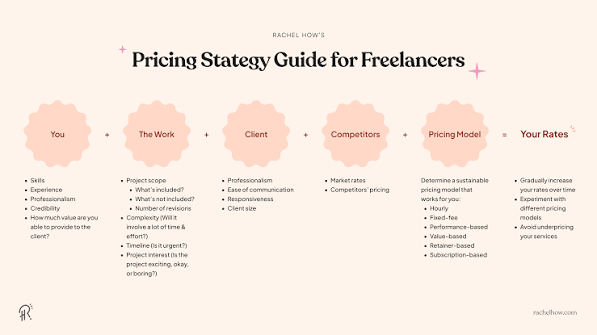
Pricing is where most new freelancers freeze up — charge too little and you resent the work, charge too much without justification and clients disappear. Learning how to price freelance services properly takes some of that guesswork away.
Why Pricing Feels So Confusing at First
Quick answer: Learning how to price freelance services starts with calculating your minimum viable rate based on expenses and desired income, then adjusting upward based on skill level, demand, and project complexity.
Step 1 — Calculate Your Minimum Viable Rate
Add up your monthly expenses, desired income, and estimated billable hours. This gives you a floor rate below which you’re effectively losing money.
Step 2 — Research Market Rates in Your Niche
- Check freelance platforms for similar skill listings
- Ask other freelancers in relevant communities about typical rates
- Consider your specific niche — specialized skills often command higher rates
Step 3 — Decide Between Hourly and Project-Based Pricing
Hourly pricing feels safer for beginners but can penalize efficiency. Project-based pricing rewards skill and speed once you have enough experience to estimate accurately.
Step 4 — Price for Value, Not Just Time
I’ve noticed the most successful freelancers price based on the value delivered to the client’s business, not just hours spent — a logo that helps a brand look credible is worth more than the hours it took to design.
Step 5 — Build In a Buffer for Revisions
Unlimited revisions clauses often get abused. Set a clear number of included revisions, with additional ones priced separately.
Step 6 — Raise Rates Gradually as Demand Grows
Picture a freelancer still charging their very first rate two years and dozens of projects later — as your skill and demand grow, your pricing should grow with it.
Step 7 — Be Confident When Stating Your Price
Hesitant pricing invites negotiation and doubt. State your rate clearly and calmly, without over-explaining or apologizing for it.
Common Freelance Pricing Mistakes
- Underpricing out of fear of losing the client
- Never raising rates as skill and demand increase
- Offering unlimited revisions without any boundaries
- Pricing purely on time without considering delivered value
[link to related guide about finding your first freelance client here]
FAQ
How do I know if I’m charging too little as a freelancer? If you’re consistently overbooked yet barely covering expenses, your rates likely need adjustment upward.
Should I charge hourly or per project as a freelancer? Project-based pricing often works better once you can estimate time accurately; hourly is safer for beginners.
How often should freelancers raise their rates? Reviewing rates every 6-12 months, especially as skill and demand grow, keeps pricing aligned with real value.
Is it okay to negotiate freelance pricing with clients? Some negotiation is normal, but avoid dropping your rate significantly just to win a project.
How do I justify higher pricing to potential clients? Focus the conversation on the value and results you deliver, not just the time the work takes.
Conclusion
Pricing confidently comes from understanding your real costs, market rates, and the actual value you deliver — not from guessing or copying a random number online. Calculate your minimum viable rate this week, and use it as your honest starting point going forward.